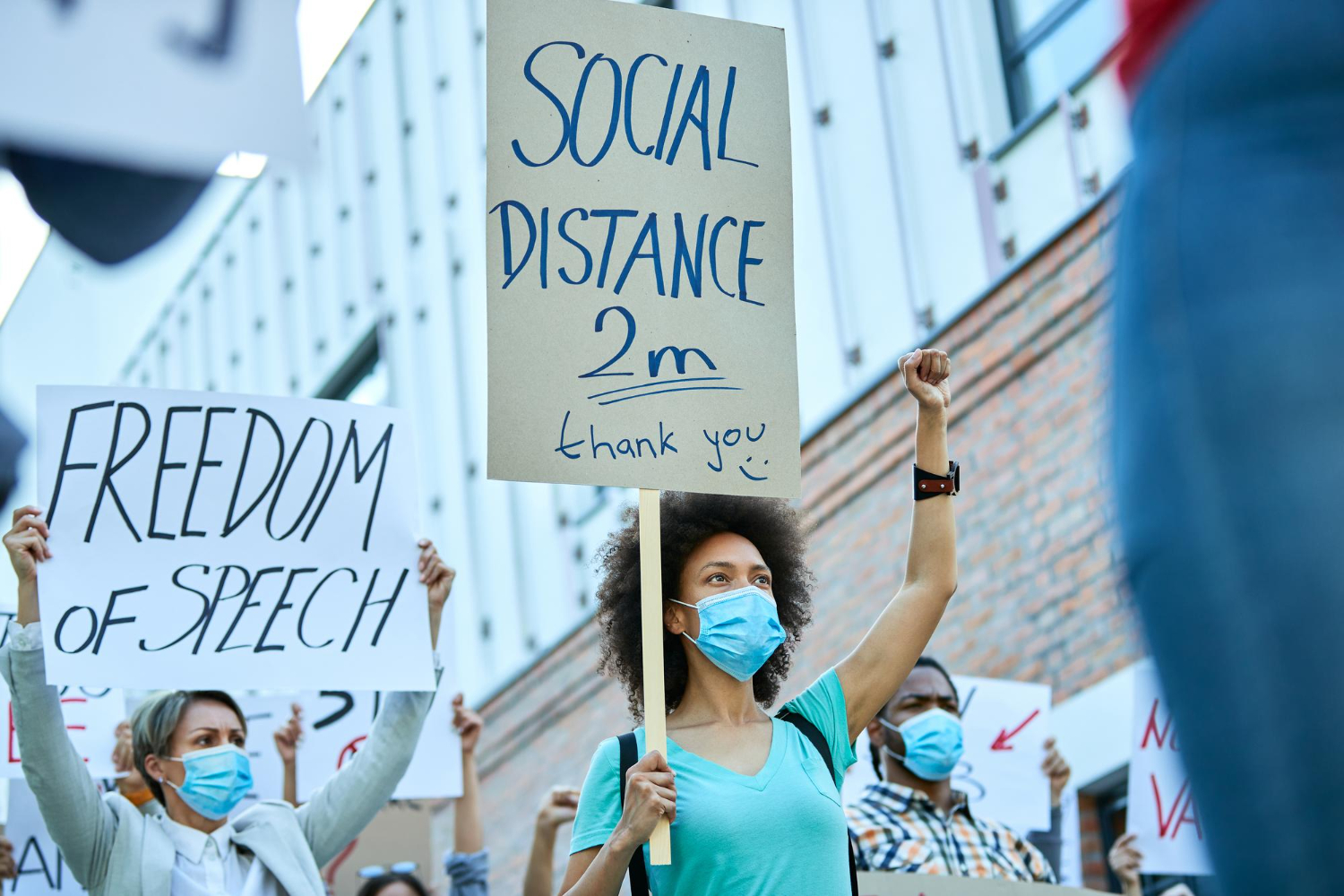
They didn’t specifically request permission. Students at prestigious medical schools in the United States started creating their own anti-racist curricula, forming grassroots task forces, and silently protesting by donning white coats. What began as activism swiftly evolved into a blueprint.
The scope of traditional medical education has significantly increased, formerly concentrating nearly entirely on anatomy, diagnosis, and disease pathology. Students now discuss redlining, incarceration, and systemic bias as part of case studies in classrooms that used to recite cardiac rhythms from flashcards.
| Reform Focus | Description |
|---|---|
| Curriculum Transformation | Courses now teach racism, structural inequities, and social determinants as clinical concerns. |
| Admissions Redesign | Recruitment prioritizes diversity across race, income, and lived experience. |
| Student-Led Activism | Groups like White Coats for Black Lives demand systemic accountability and curriculum reform. |
| Faculty Reorientation | Instructors trained to deliver anti-bias education with structural awareness and empathy. |
| Community-Driven Content | Local leaders and patients help shape what’s taught, ensuring real-life relevance. |
| Institutional Standards | AAMC and AMA now require measurable equity benchmarks in school policies. |
Restoring context is the goal here, not weakening the science. Health outcomes are not isolated events. They are frequently the predictable outcome of policy, access, and living conditions. Social medicine is a concept that can be applied to almost any clinical field.
The change took time to occur. Black Lives Matter and other movements have pushed institutional boundaries over the past ten years, demanding that healthcare align with its ideals. This raised difficult but crucial questions for both medical students and faculty: What is taught? And who is given a voice?
Brigham and Women’s Hospital’s Department of Medicine provided one striking example. An internal equity committee was established by the locals following the deaths of Philando Castile and Alton Sterling. They wanted structural reform, not spectacle. They found a concerning trend when they examined admissions to cardiology by race: Latinx and Black patients were consistently less likely to be admitted to specialty services. Despite being statistically sound, this conclusion was also incredibly human.
After reading that report, I recall pondering how long such data had been accessible, whether it had been silently disregarded or buried in institutional memory.
These initiatives gained momentum by forming alliances with community health centers and groups such as the Institute for Healthcare Improvement. They started to change institutional language in addition to questioning implicit norms. Teachers learned to confront racism head-on. Committees began drafting policies instead of euphemisms.
Admissions procedures changed concurrently. Rather than focusing solely on academic metrics, schools started to ask: What viewpoints are we overlooking? The insights from applicants from underrepresented backgrounds—many of whom had dealt with underfunded schools, food insecurity, or immigration systems—were remarkably useful for patient care.
These modifications are practically necessary, not just progressive. Research indicates that patients who receive care from physicians with comparable socioeconomic or cultural backgrounds frequently have much better health outcomes. It turns out that empathy is not a soft skill. It is clinical currency.
Some schools now collaborate with nonprofits and local leaders to co-design curricula through strategic community partnerships. By doing this, medical education is kept out of the abstract. Students investigate how zoning regulations affect wellness, interview survivors of domestic abuse, and shadow housing advocates. It’s an extremely grounded educational approach, both emotionally and intellectually.
Faculty are also evolving. Many have reverted to learning and are no longer merely researchers or lecturers. Workshops on structural competency, bias recognition, and trauma-informed care are now part of faculty development programs. These sessions are uncomfortable by design but produce very effective results; they are not performative.
Additionally, medical schools have started auditing the “hidden curriculum,” which refers to the unspoken messages and subtle norms that are communicated in clinical settings. A cynical comment during rounds. In a patient note, a racial category was misused. When a family who don’t speak English arrives at the emergency room, an eyebrow is raised. When these incidents add up, an atmosphere may be created that inadvertently perpetuates prejudice.
Schools now use student feedback systems and equity reviewers to undermine this. Some even hold storytelling events where staff members and students discuss breakthroughs or instances of microaggressions. These aren’t sessions of therapy. They are diagnostics for structures.
The driving force behind this momentum has been groups like White Coats for Black Lives. The group, which was started by medical students, has pushed against institutional inertia by promoting anti-racist policies, releasing school report cards, and calling for divestment from policing. They have taken a particularly creative approach, striking a balance between strategy, data, and moral clarity.
Of course, there are still difficulties. Critics point to political overreach, debate academic rigor, or caution against “mission drift.” However, medical schools are not becoming social theory think tanks. To treat the whole person, they are recalibrating. This evolution feels both timely and long overdue in the context of persistent health disparities.
The American Medical Association and the Association of American Medical Colleges have set benchmarks that many institutions have followed during this transition. These oversight organizations now demand that schools report on their progress toward equity, diversify their leadership, and make a commitment to inclusive excellence. These are measurements connected to accreditation and public trust, not nebulous goals.
The channels for community feedback have significantly improved. Once toothless advisory board members, patients and local leaders are now key players in decision-making. Their firsthand knowledge adds depth that textbooks cannot match.
Perhaps the most amazing aspect of this entire change is how student-driven it is. With accuracy, passion, and political fluency, young trainees—some just out of college—are rewriting decades’ worth of curriculum. Their demands are neither idealistic nor naive. They are based on the idea that acknowledging harm is a prerequisite for healing to start.
Medical education is reclaiming its core by emphasizing justice in clinical training rather than losing it. This clarity is crucial for a profession that is based on trust.
If you would like a condensed version, picture prompts, magazine-format subheadings, or anything else customized for a particular platform, please let me know.